
Loading...
Serving Pembroke Pines, FL and surrounding areas. (754) 294-8319
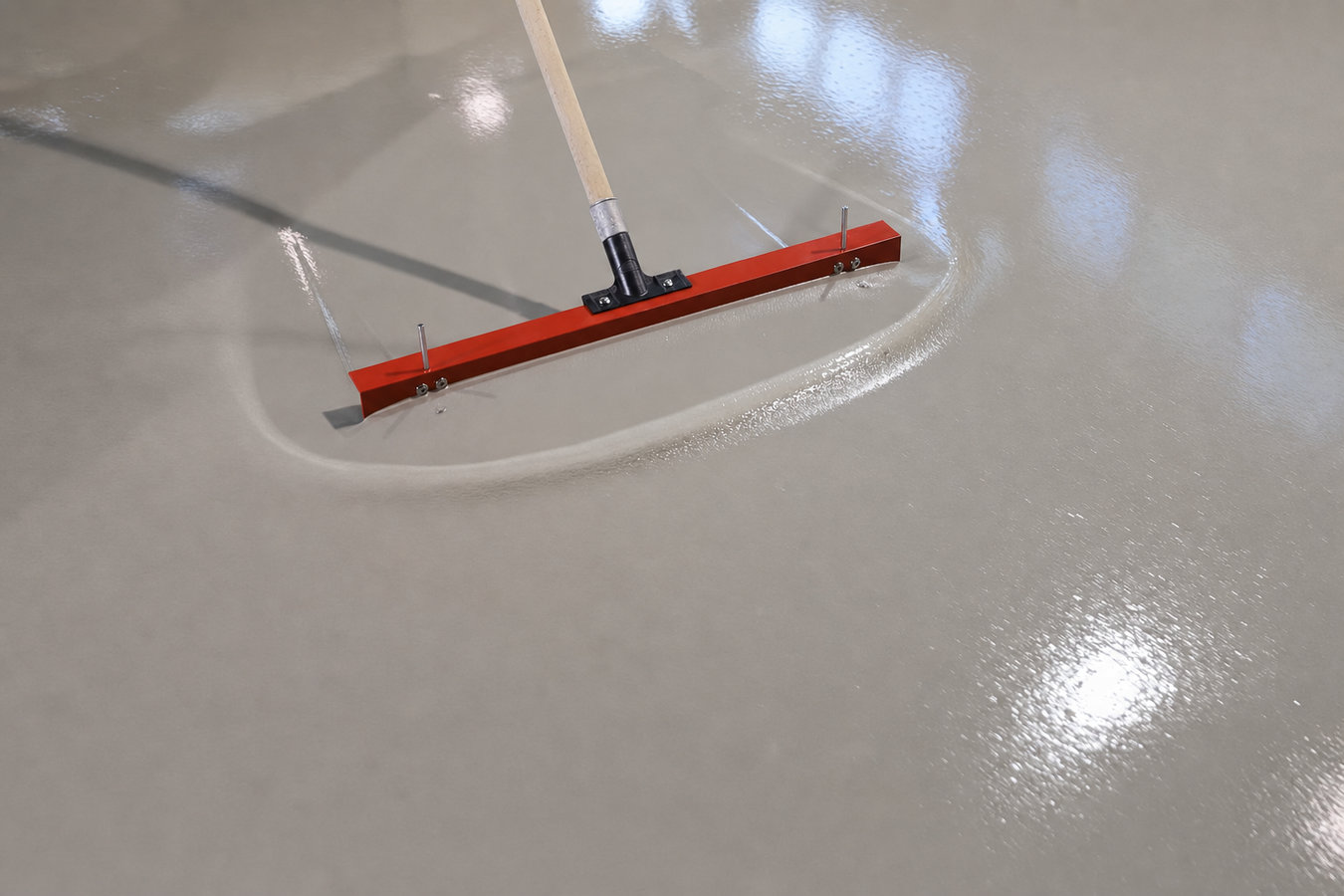
Uneven floors, low spots, and worn-out surfaces get corrected with the right material - no demolition, no weeks of disruption, no guessing.
Self-leveling concrete in Pembroke Pines is a fluid material that flows across an uneven floor and settles into a smooth, flat surface on its own - most residential jobs are done in one to two days, with the surface ready for light foot traffic within 24 hours.
Many homes in Pembroke Pines were built in the 1980s and 1990s, and their concrete slabs are now 30 to 40 years old. Over decades of South Florida's wet-dry soil cycles, slabs settle unevenly - developing low spots, hairline cracks, and surfaces that just look worn out. Self-leveling concrete fills those low areas and creates a flat base. A decorative overlay on top can give the floor a fresh, polished look without the cost of tearing anything out.
Before any material goes down, the most important step is moisture testing. Pembroke Pines sits above a naturally high water table, and moisture pushing up through a slab is the leading reason overlays fail. We test every slab before we quote anything. If you are also considering a decorative finish for an outdoor surface, concrete resurfacing and overlays may be a good starting point to understand the full range of options available.
If water collects in certain spots instead of draining evenly after you mop or after rain blows into your garage, your slab has settled unevenly. In Pembroke Pines, where heavy rain can reach screened porches and garage entries, uneven floors also create drainage problems that worsen over time.
Hairline cracks in a concrete floor are common in older Pembroke Pines homes, especially those built during the city's growth in the 1980s and 1990s. If cracks have been there a while and seem to be getting longer or wider, the slab has shifted and is unlikely to stabilize on its own. An overlay with proper crack repair underneath can stop the spread.
If your garage floor, patio, or interior concrete has oil stains, rust marks, or a chalky surface that does not respond to cleaning, the top layer of the concrete has degraded. A decorative overlay gives you a fresh, sealed surface without removing the existing slab.
Tap the floor in different spots with your knuckle or the heel of your shoe. If some areas sound hollow, the concrete has separated from the layer below it - a condition called delamination. This is common in South Florida homes where moisture has worked under the surface over many years, and it needs assessment before any overlay goes down.
Not every floor needs the same solution. For floors with significant uneven areas or low spots where water collects, self-leveling concrete corrects the grade before anything else goes down. Once the floor is flat and properly prepared, the right overlay depends on where the space is and how it will be used. Garage floors get a durable, sealed finish that handles oil and tire traffic. Interior living spaces can be finished with a polished or stained look that mimics high-end tile. Pool decks and patios call for slip-resistant, UV-stable finishes suited to South Florida's outdoor conditions.
Whatever the finish, the prep is the same: moisture test, surface grinding to open the pores, crack repair, then the pour. Skipping any of those steps is how overlays fail early. For surfaces that are already flat but need a full visual refresh, pool deck coatings and resurfacing covers outdoor applications specifically. And when an existing coating needs to come off before a new overlay can go down, concrete resurfacing and overlays outlines that process in detail.
For floors with measurable dips, low spots, or uneven areas - flows to flat and creates the stable base an overlay needs to bond correctly.
A thin, bonded layer that changes the look and feel of an existing floor - suited for homeowners who want a fresh finish without tearing out the slab.
For interior living spaces and garages that need a clean, high-end look - finishes that mimic stone, marble, or polished concrete at a fraction of the cost.
A plain, durable finish with a protective sealer applied on top - the practical choice for garages, utility spaces, and any surface that needs to hold up to heavy use.
Pembroke Pines's water table sits naturally very close to the surface - sometimes just a few feet down. That means moisture is always pushing upward through concrete slabs, even in homes that look and feel completely dry. In most parts of the country, a contractor can skip a moisture test and still get a result that holds up for years. In Broward County, skipping that test is how you end up with an overlay that starts peeling within 12 months. Every slab we assess in Pembroke Pines gets moisture tested before we recommend any product or price. This is the step that determines whether the job is done right or just done fast. The rainy season - roughly June through September - also affects scheduling for outdoor work. Concrete overlays on patios and pool decks need dry conditions to bond properly, so experienced local contractors plan outdoor jobs in the drier months and watch the forecast carefully when the schedule runs close to summer.
Many Pembroke Pines homes were built in the 1980s and 1990s during the city's rapid westward growth. Slabs from that era are now 30 to 40 years old - old enough to have settled unevenly, developed hairline cracks from decades of soil movement, and accumulated surface damage from constant UV and humidity. Self-leveling concrete is a practical and cost-effective answer for those conditions, especially compared to full slab replacement. We serve homeowners across Weston and Davie as well, where the same aging housing stock and soil conditions create similar flooring challenges.
We respond within one business day. We ask a few basic questions about the space and what you are trying to solve, then schedule a free on-site visit. We do not quote self-leveling jobs over the phone because the condition of your slab changes everything.
We walk the floor, look for uneven areas, cracks, and signs of delamination - and we test the slab for moisture. In Pembroke Pines, this step is critical. After the visit you get a written estimate that covers prep, materials, finish, and any permit requirements.
The crew mechanically grinds the surface to open the concrete's pores and remove any loose material or old coatings. Cracks and low spots are filled. This is the loudest and most disruptive part of the job, and it is where the quality of the final result is determined.
Self-leveling material is poured and flows to flat. The overlay or finish coat goes on next, followed by a sealer. Before we leave, we walk the finished space with you and give you specific timelines - when you can walk on it, when you can park on it, and when to schedule sealer maintenance.
Free estimate. We test for moisture before we recommend anything - no surprises after the work starts.
(754) 294-8319South Florida's high water table makes moisture the single biggest risk factor for overlay jobs in Pembroke Pines. We test every slab before we recommend a product or price. If moisture treatment is needed, it goes into the scope of work upfront - not as a surprise line item after we have already started.
Surface preparation is where most overlay failures begin. We grind the existing floor to open the concrete's pores so the new material bonds correctly. Skipping this step or rushing it produces a floor that looks fine on day one and peels within a year. We do not cut that corner.
Most of the homes we work on in Pembroke Pines were built during the city's rapid growth in the 1980s and 1990s. We know what those slabs look like - the settlement patterns, the typical crack types, the moisture behavior - and we plan for those conditions before the crew arrives. The Florida Concrete and Products Association at fcpa.org provides guidance on concrete practices suited to South Florida's conditions.
One of the most common frustrations with concrete work is vague timelines. We give you a written schedule before we start - when the work begins, when you can walk on the surface, when you can move furniture back in, and when the floor is ready for vehicle traffic. That schedule reflects actual product specs and local weather, not a generic estimate.
The combination of moisture testing, mechanical prep, and locally suited materials is what separates an overlay that holds up through South Florida's seasons from one that does not. Every job we take in Pembroke Pines follows that same sequence, regardless of the size or finish type.
Slip-resistant, UV-stable finishes for outdoor pool decks and patios that need to handle South Florida's heat, rain, and constant foot traffic.
Learn MoreDecorative overlay options for driveways, patios, and pool decks where the slab is structurally sound but the surface needs a full visual refresh.
Learn MoreDry season books fast - if your project involves an outdoor surface, now is the time to lock in your spot before rainy season returns.