
Loading...
Serving Pembroke Pines, FL and surrounding areas. (754) 294-8319
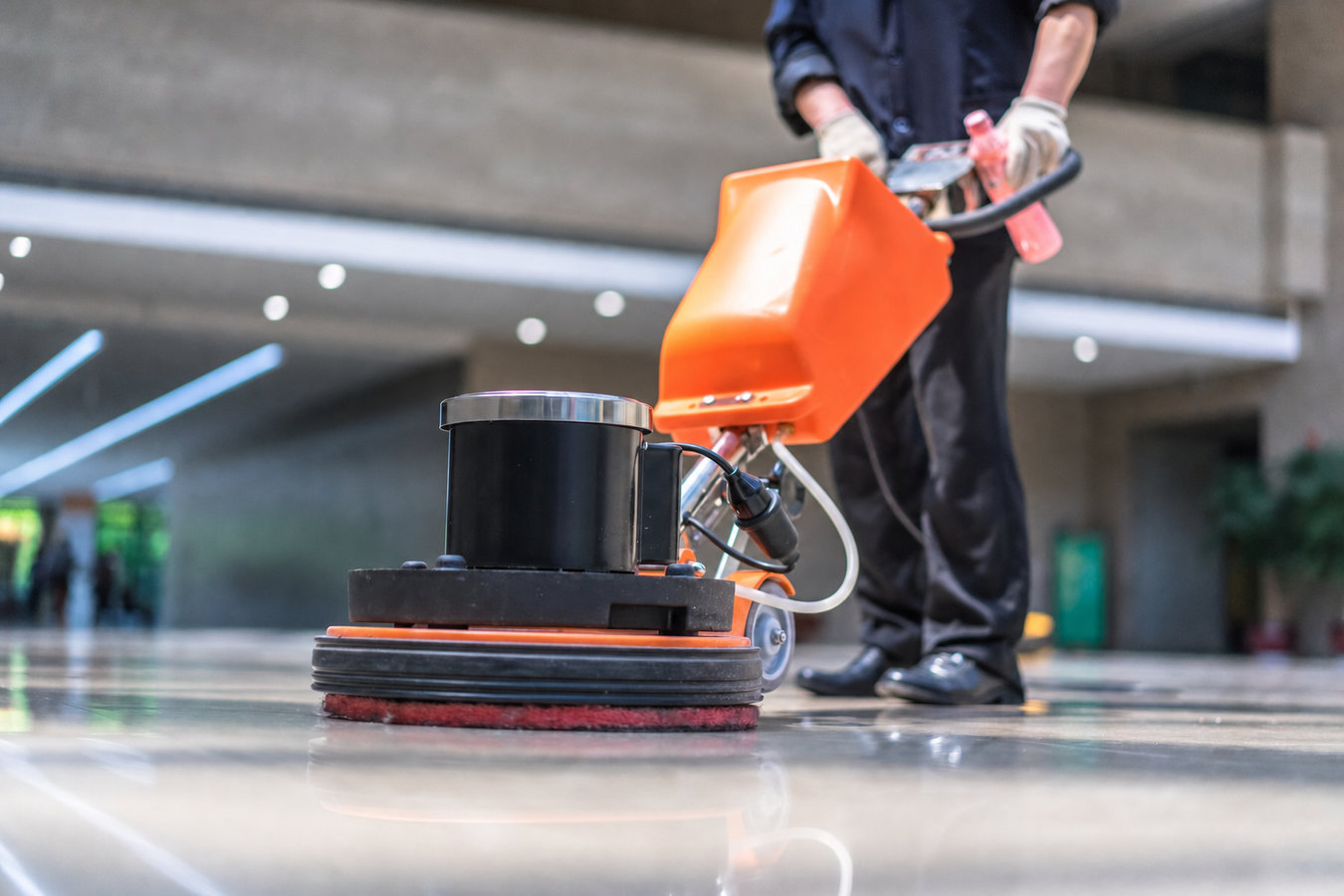
Old coatings peel. Adhesives stay stuck. Failed floors have to come out. We get the concrete back to bare and ready so your next floor actually lasts.
Concrete floor stripping in Pembroke Pines is the process of removing old coatings, adhesives, paint, or sealers from a concrete surface - most stripping jobs in a single garage or average room take one to two days, with the slab ready for the next step after a brief drying period.
Most homes in Pembroke Pines were built on slab foundations between the 1970s and the 1990s. After decades of use, those slabs often have layers of old paint, failed epoxy, vinyl tile adhesive, or crumbling coatings that simply cannot be covered over with something new. A new floor bonded to a compromised surface fails quickly - and in South Florida's heat and humidity, it fails even faster. Stripping gets you back to clean, bare concrete so whatever goes down next actually sticks.
Stripping is the starting point for most of our coating projects. Once the floor is clean and prepped, the most common next steps are a fresh epoxy floor coating or a thorough concrete grinding and surface preparation before a premium finish goes down.
If your epoxy or painted floor has areas where the coating is lifting away in sheets or bubbles, the bond between the coating and the concrete has failed. In South Florida garages, this often happens because moisture rising through the slab pushed the coating off from underneath. Painting or coating over a failing surface just repeats the problem - stripping down to bare concrete is the only reliable fix.
Many Pembroke Pines homes built in the 1970s and 1980s have original vinyl floor tiles that are now cracking, curling, or coming loose. These tiles are bonded directly to the concrete slab with a thick adhesive that must be removed before any new flooring can go down. Tile, wood, or new coatings installed over old adhesive create an uneven surface and fail faster.
A musty smell or white chalky residue on your concrete floor is a sign that moisture is moving up through the slab - a common issue in South Florida's high water table environment. Those white patches, called efflorescence, mean the surface is not stable enough for a new coating to stick. Stripping and addressing the moisture source before recoating is the right sequence.
If you can feel a noticeable dip or step when you walk across your floor, or if cracks run across the surface in multiple places, the slab itself may need assessment for partial or full removal. In Pembroke Pines, soil movement and moisture can cause slabs to shift over time. A concrete contractor can tell you whether the damage is surface-level or whether the slab needs to come out.
Stripping and removal are not the same job, and the right approach depends on what is on your floor and what you plan to put down next. Coating and adhesive removal - the most common request - means using grinding machines, shot blasters, or chemical strippers to clear the surface layer without disturbing the slab underneath. The result is a clean, profiled concrete surface ready to accept a new finish. Most contractors use a combination of mechanical and chemical methods depending on what is down and how stubborn it is.
Full slab demolition is a bigger undertaking that involves jackhammers, demolition saws, and hauling significant debris. This is typically needed when the concrete itself is damaged beyond repair - structural cracks, severe settling, or a slab that has failed entirely. Debris disposal is always included in our quote and handled through Broward County's approved construction waste facilities, so you are not left arranging removal on your own. After stripping, the floor connects naturally to either a full epoxy floor coating or a detailed concrete grinding and surface preparation before any premium finish is applied.
Mechanical grinding or chemical stripping to clear old epoxy, paint, or sealer from a sound slab - the right starting point before any new coating goes down.
Removal of vinyl tile, ceramic tile, and the adhesive layers beneath - for homes undergoing renovation where the old floor has to come up before new flooring can go in.
Targeted demolition and removal of sections of concrete that are cracked, settled, or damaged - when the full slab does not need to come out but specific areas do.
Complete removal of a concrete slab using mechanical equipment - for spaces where the concrete itself needs to be replaced before any new floor system is installed.
Pembroke Pines sits in a subtropical climate where humidity rarely drops below 60 percent, even during the dry season. After stripping, bare concrete needs to reach a low enough moisture level before any new coating or flooring can be applied - and in this climate, that takes longer than the national average. The right contractor tests moisture levels before moving forward, not just eyeballing it. If that step is skipped, your new floor is at risk of peeling or bubbling within a year. The city's housing stock adds a layer of complexity that contractors who primarily work in drier markets do not encounter. A large share of Pembroke Pines homes were built from the 1970s through the 1990s on slab foundations, and many of those homes have original vinyl flooring bonded with adhesives that may require special handling. Florida requires testing before any work begins on suspected hazardous materials - a step that adds a few days to the project but is not optional. We know to ask about this during the initial estimate, before a crew ever shows up.
HOA rules are another local factor that affects how and when stripping work can be done. Many Pembroke Pines communities have restrictions on contractor work hours, equipment parking, and debris staging. We handle that coordination before the job starts. We also serve homeowners in Miramar and Cooper City, where the same slab-on-grade construction, humidity challenges, and HOA requirements show up on nearly every project.
We respond within one business day. We ask what is currently on the floor, the size of the area, and what you plan to do with the space afterward. Final pricing requires seeing it in person - the condition of the existing surface makes too big a difference to quote over the phone.
We look at the existing floor, check for signs of moisture, and identify what type of coating or adhesive needs to come off. If your home was built before the mid-1980s, we ask about the age of the flooring and may recommend testing before proceeding. You receive a written quote that breaks out labor, equipment, and debris removal separately.
The crew brings in grinding or shot-blasting equipment and removes the old coating or adhesive layer by layer. For full slab removal, jackhammers and demolition saws come out. Expect significant noise and some dust even with vacuum-equipped machines - this is normal. The crew checks their progress as they go rather than just running equipment and calling it done.
All debris is loaded and hauled away through Broward County's approved disposal facilities - included in the quote. After stripping, the bare concrete needs 24 to 72 hours or more to dry depending on humidity and season. We test moisture levels before signing off so you know the floor is genuinely ready for whatever comes next.
Free on-site estimate. Written quote before work starts. Debris hauling included. We test moisture before signing off.
(754) 294-8319South Florida's high water table and humidity mean bare concrete here holds more moisture than in most markets. We test the slab moisture level after stripping and before any new coating or flooring goes down. That testing step is what prevents a new installation from failing within the first year - and it is the step many contractors skip to save time.
A large share of the homes we work in were built during the 1970s through 1990s, when the city was growing rapidly westward. We know what to expect from those slabs - original adhesive layers, surface carbonation, and moisture-driven damage - and we ask the right questions before any tools come out.
Homes built before the mid-1980s may have adhesives that need special handling before stripping begins. We raise this issue during the estimate visit so you are never surprised by a project delay or a health concern mid-job. Florida's requirements on this are clear, and we follow them.
Concrete waste cannot go in a standard residential bin. We haul every piece of debris to{' '}Broward County's approved construction and demolition debris disposal sites - included in your quote. You are not left arranging removal on your own or with debris sitting in your driveway.
Every one of these details comes up on real jobs in Pembroke Pines. Getting them right is what separates a clean, ready-to-coat slab from a floor that causes problems for the next contractor who shows up.
For information on asbestos handling requirements in Florida, see the Florida Department of Health - Asbestos Program. For worker safety standards during concrete grinding, refer to OSHA's silica safety guidance.
Once stripping leaves you with clean, bare concrete, an epoxy coating is one of the most durable and cost-effective finishes available for garages and interior spaces.
Learn MoreAfter stripping, grinding profiles and opens the concrete surface so new coatings bond correctly - the mechanical step that determines how long a new finish lasts.
Learn MoreBook before rainy season and give your floor the drying time it needs. Call or request a free estimate online today.